[Updated 10/22/2025]
Her boyfriend was one of the biggest names in the hip-hop industry. Many outsiders envied the money and power associated with being the romantic partner of this incredibly influential figure in music. But what went on behind closed doors was truly sinister.
She was drugged and raped by prostituted men whom were paid for by this music mogul, while he watched and gratified himself. He even filmed the abuse, threatening to release it in order to ensure the silence of his victims. It went on regularly for years. And she wasn’t the only one.
This is the story of the abuse that was allegedly inflicted by Sean Combs, popularly known as “P. Diddy,” on dozens of women. Despite overwhelming evidence against him, Sean Combs was acquitted of sex trafficking charges in a jury trial, showcasing the fact that many in the general public do not understand the complexities of sex trafficking or what constitutes it.
And Combs is just one example. Other public figures like Andrew and Tristan Tate, have allegedly used similar methods to recruit and exploit victims, shedding light on the evolution of sex trafficking methods and what modern-day sex trafficking really looks like.
What is Sex Trafficking?
Sex trafficking is not always what it looks like in the movies—people being kidnapped and held in chains. Under federal U.S. law, sex trafficking is defined as using force, fraud, or coercion to cause a person to engage in commercial sex acts (18 U.S.C. § 1591(a)).
This law clearly delineates that “coercion” does not have to be violent; it can include psychological, financial, or reputational harm, including deception such as false promises of love or security. The majority of sex trafficking involves this more “subtle” psychological coercion compared to what is depicted in movies like Taken.
Commercial sex acts are defined as any sex acts on account of which anything of value (e.g., money, clothes, shelter, food, drugs, etc.) is given to or received by any person. This includes sex acts that are filmed and monetized in pornography.
Let’s see how all of this plays out in the Combs and Tate cases.
Combs paid prostituted men to have sexual intercourse with women, while he watched and derived pleasure from it. Although Combs’ lawyers argued that all the encounters were consensual, there was substantial evidence, including video evidence, of Combs using both physical violence and coercion (e.g. threatening harm to their reputation and careers) to control the women involved. All of this constitutes sex trafficking under the legal definition. But sadly, the jury that acquitted Combs did not understand that.
As for the Tate brothers, they allegedly lured women into their sex trafficking rings by feigning profound romantic relationships with them. Sometimes they even promised marriage and children. But the victims say it was a front to coerce them into appearing in pornographic videos on popular camming sites, such as OnlyFans. They claim the brothers kept a significant portion of the profits from these videos and only paid the women a small fraction.
The NCOSE Law Center is currently representing a survivor of the Tates crimes in a lawsuit against them. This survivor, a young American woman, was lured to Romania under the belief that she was in a loving, romantic relationship with Tristan Tate, Andrew Tate’s brother. You can read more about her case here.
Sex Trafficking is Usually Committed by People the Victim Knows
Sex trafficking is not always pimps or brothel owners finding random women and forcing them to stand on the street at night to pick up sex buyers. Many victimized individuals are sex trafficked by people they know, such as romantic partners, friends, or family members. In one study, only 9% of those interviewed identified their sex trafficker as being a stranger. The most common relationships that survivors reported having with their sex trafficker were immediate family members (36%) or boyfriends (27%).
This is clearly seen in the Combs and Tate cases. Combs allegedly trafficked his own girlfriend for many years, while the Tates feigned romantic relationships with women in order to entice them.
The Internet Has Radically Changed Sex Trafficking
In today’s technological age, sex trafficking is frequently linked to a wide range of exploitative behaviors facilitated by tech devices and online platforms. These include but are not limited to image-based sexual abuse, sextortion, pornography, and online sexual exploitation. Many of these behaviors are present in the charges brought against Combs and Tate.
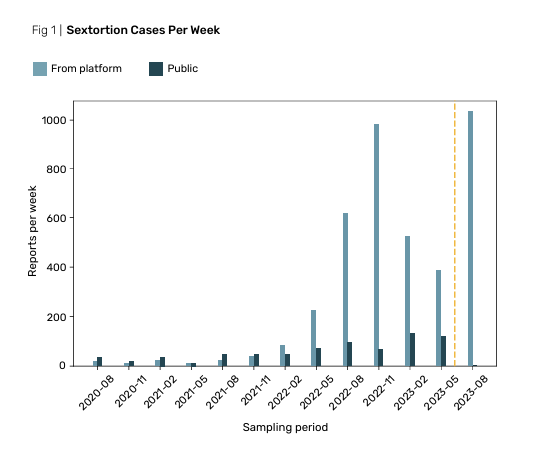
Combs recorded all of the abuse committed against his victims—a type of image-based sexual abuse. Further, the recordings were allegedly used as blackmail collateral to prevent them from speaking up. This is sextortion, and it is common in contemporary sex trafficking cases as well. Data from Thorn and the National Center on Missing and Exploitation Children (NCMEC) shows an incredible spike in sextortion cases in the last few years. From 2022-2023, NCMEC received 812 sextortion reports per week, which would amount to over 42,000 per year. In 2023, The National Center for Missing and Exploited Children received 26,718 reports of financial sextortion, up from 10,731 reports in 2022.
Meanwhile, the charges against Andrew and Tristan Tate showcase the role that pornography plays in modern-day sex trafficking. The brothers allegedly sex trafficked women by coercing them into appearing in pornographic videos on OnlyFans and other sites. This form of sex trafficking is nor uncommon. According to cases reported to the National Human Trafficking Hotline, pornography was the 3rd-most common form of sex trafficking in 2019, after escort services and illicit massage businesses.
In the digital age, the Internet is not only a means by which sex traffickers distribute videos of their victims’ abuse—it is also the most common means by which sex traffickers access their victims. Social media apps, gaming platforms, dating apps, and other interactive technologies are major avenues by which sex traffickers find and groom their victims—especially children.
The interconnectedness between various forms of sexual exploitation, and the pivotal role that the Internet plays in fueling this interconnected web, is central to NCOSE’s mission and strategy. With you at our side, we aim to strike at the root of the complex systems enabling sexual exploitation.
Help Sex Trafficking Survivors Get Justice! Donate to the NCOSE Law Center
The NCOSE Law Center is offering pro-bono legal representation to numerous survivors as they seek justice against their sex traffickers and/or the internet platforms that facilitated their abuse. Our clients include a woman who was lured into the Tate brothers’ sex trafficking ring, multiple survivors who were sex trafficked on Pornhub and other mainstream pornography sites, a young boy who was sex trafficked on Twitter, and more.
Our survivor clients always remain free of fees, so your support is a big part of what makes lawsuits like these possible.
Please become a monthly donor to the NCOSE Law Center, to help these survivors get the justice they deserve!