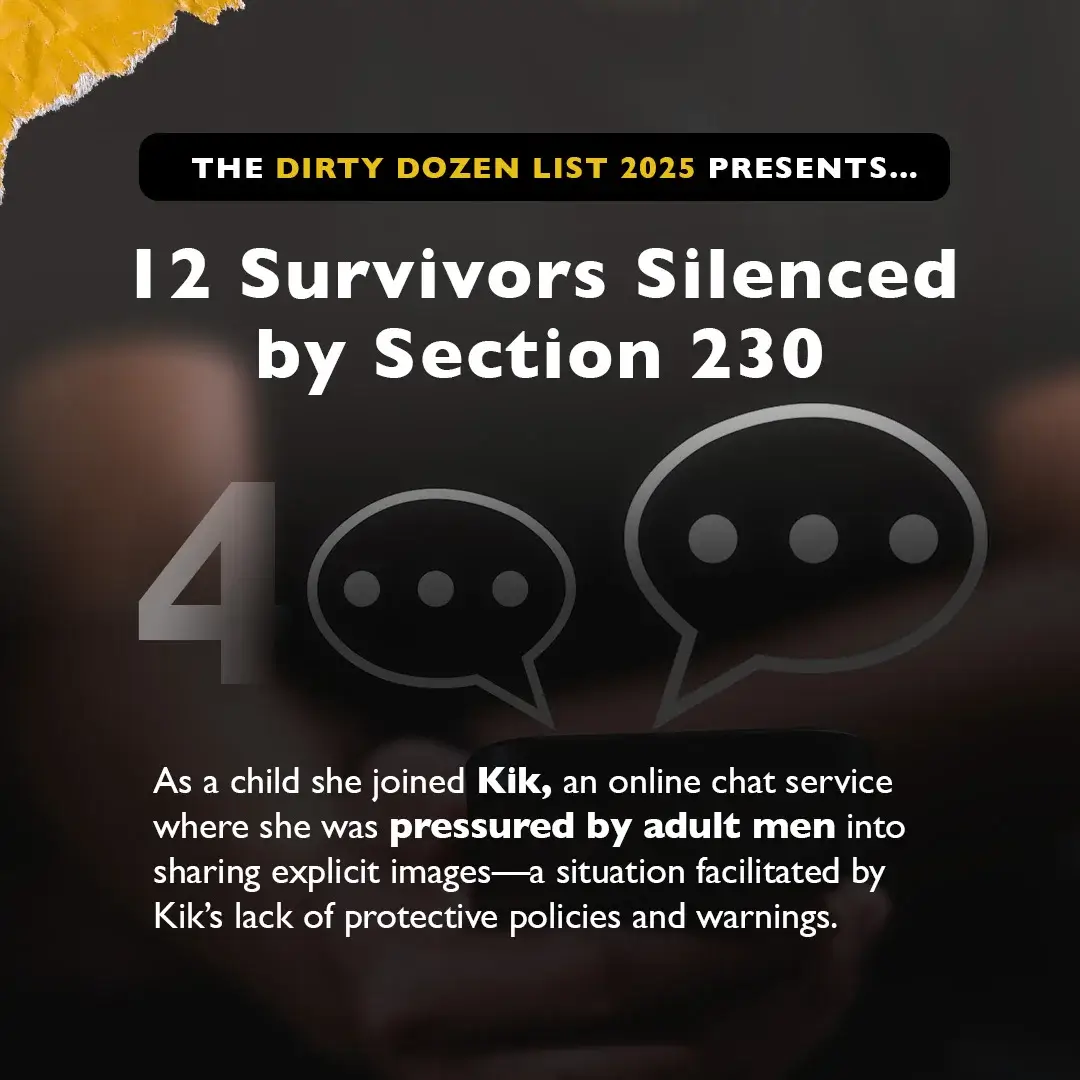
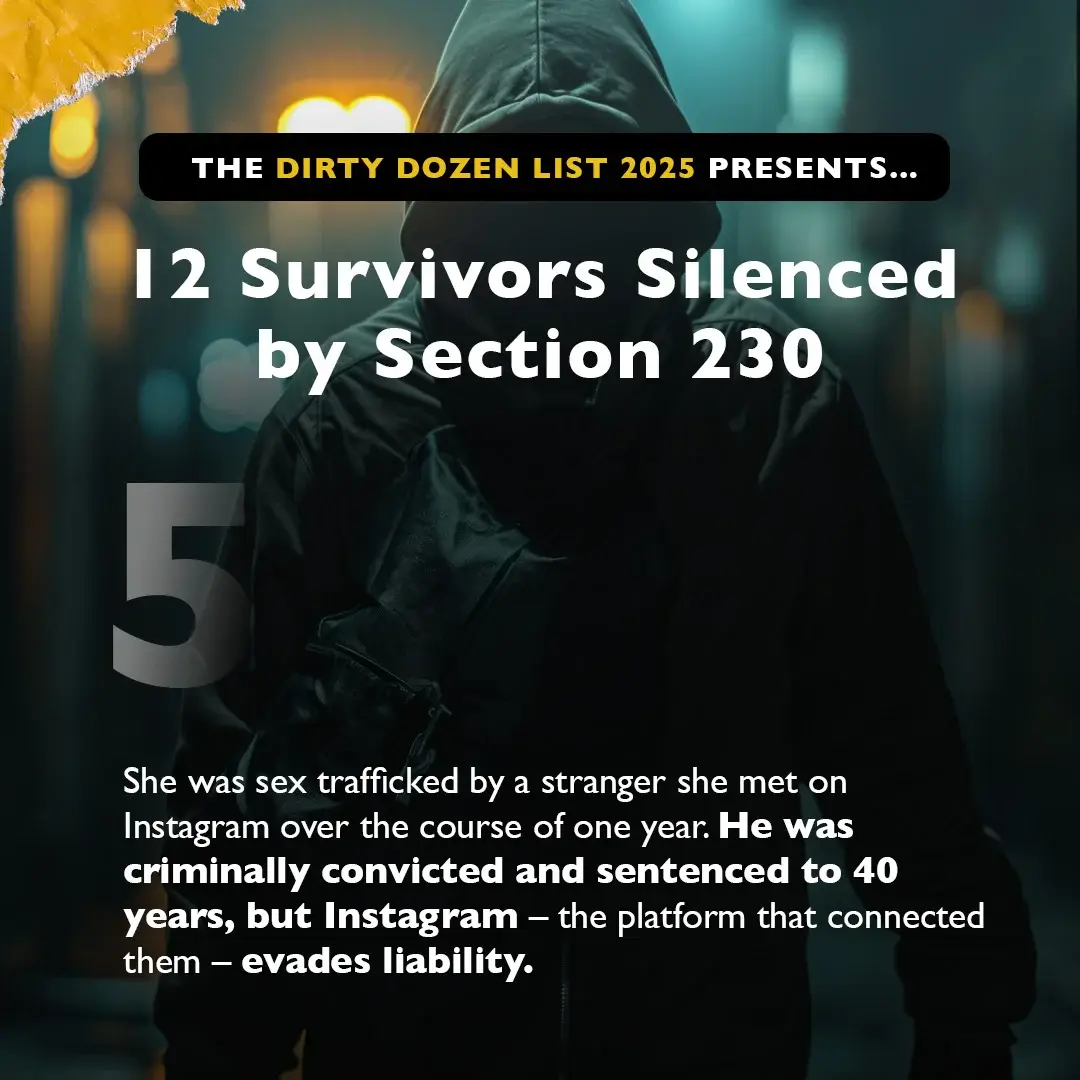
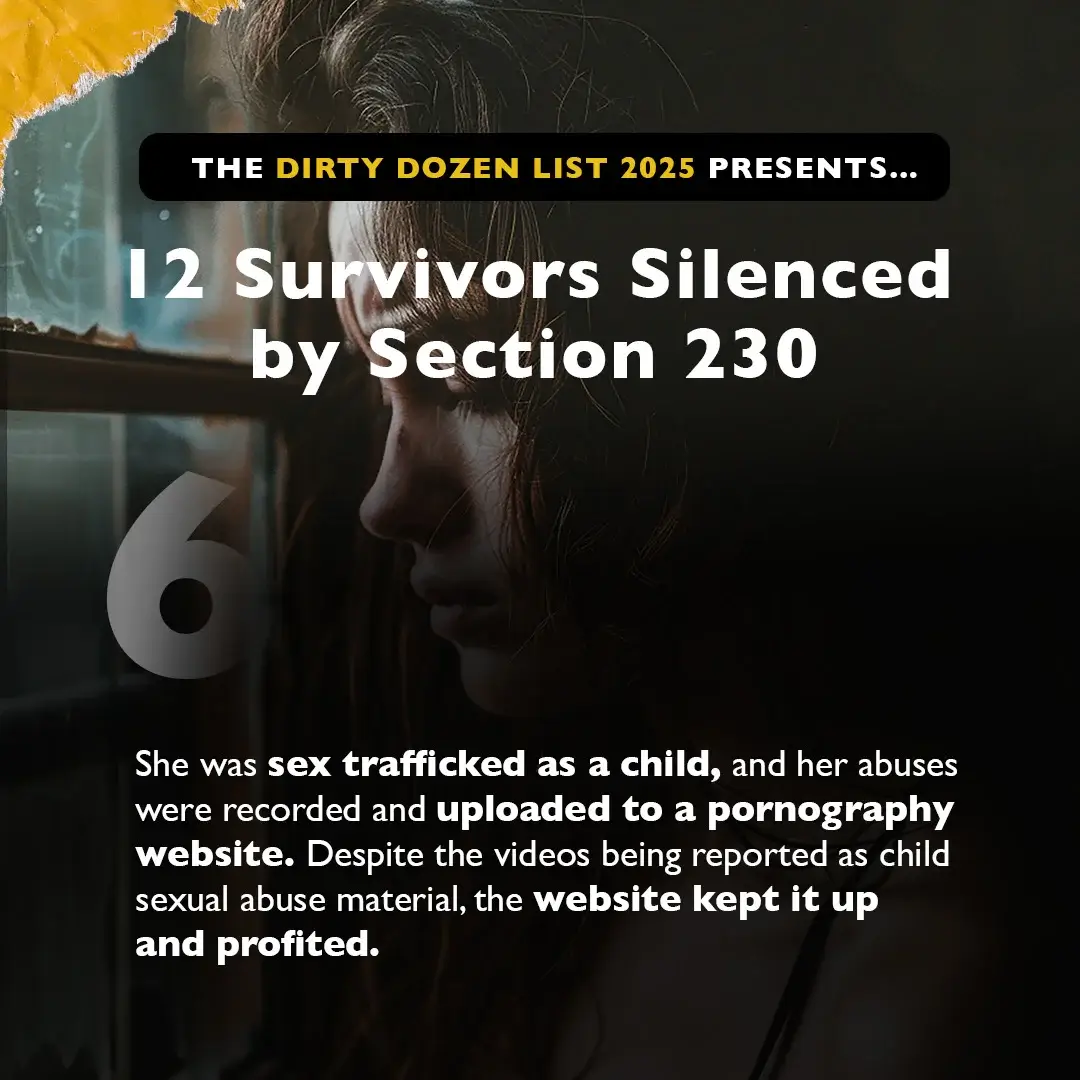
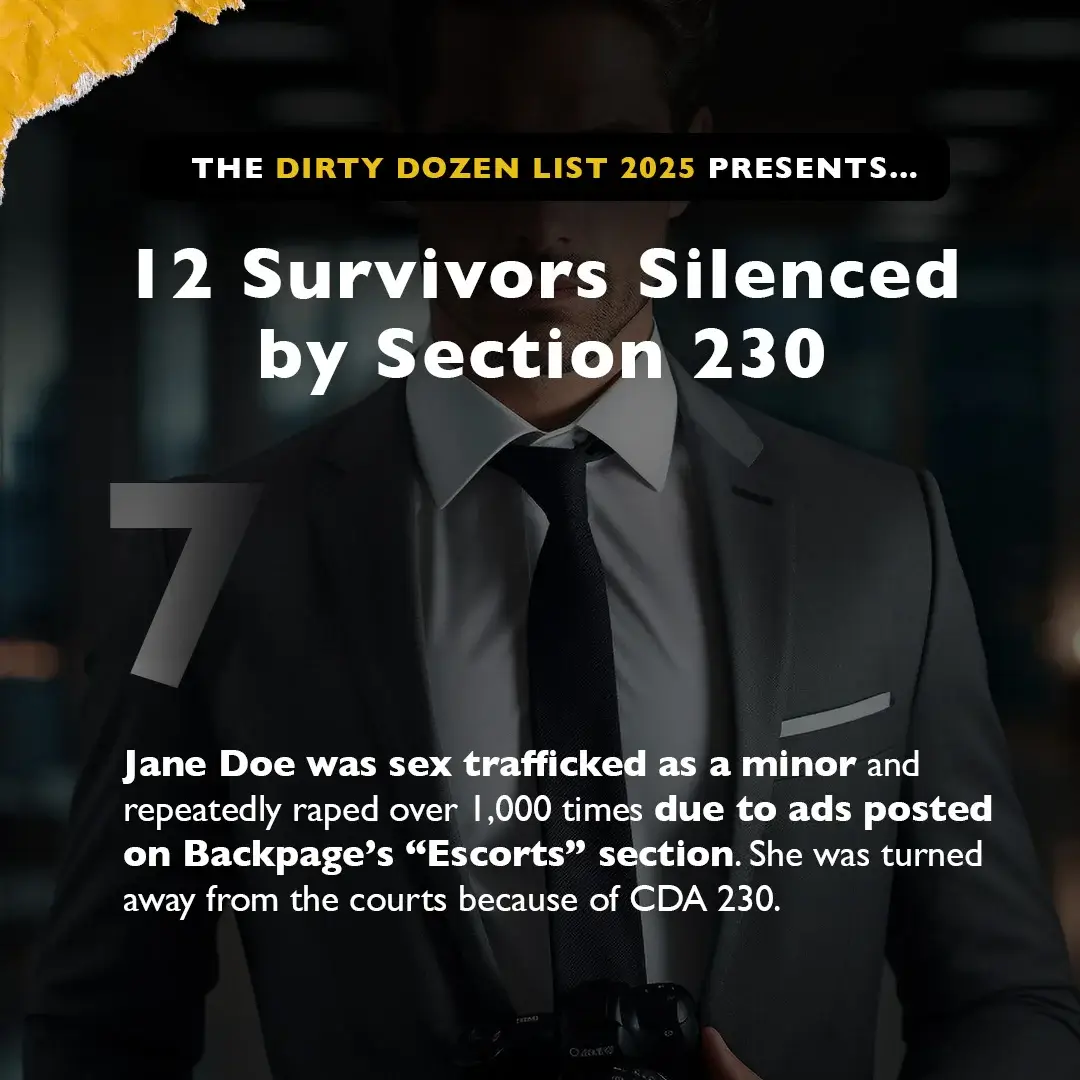
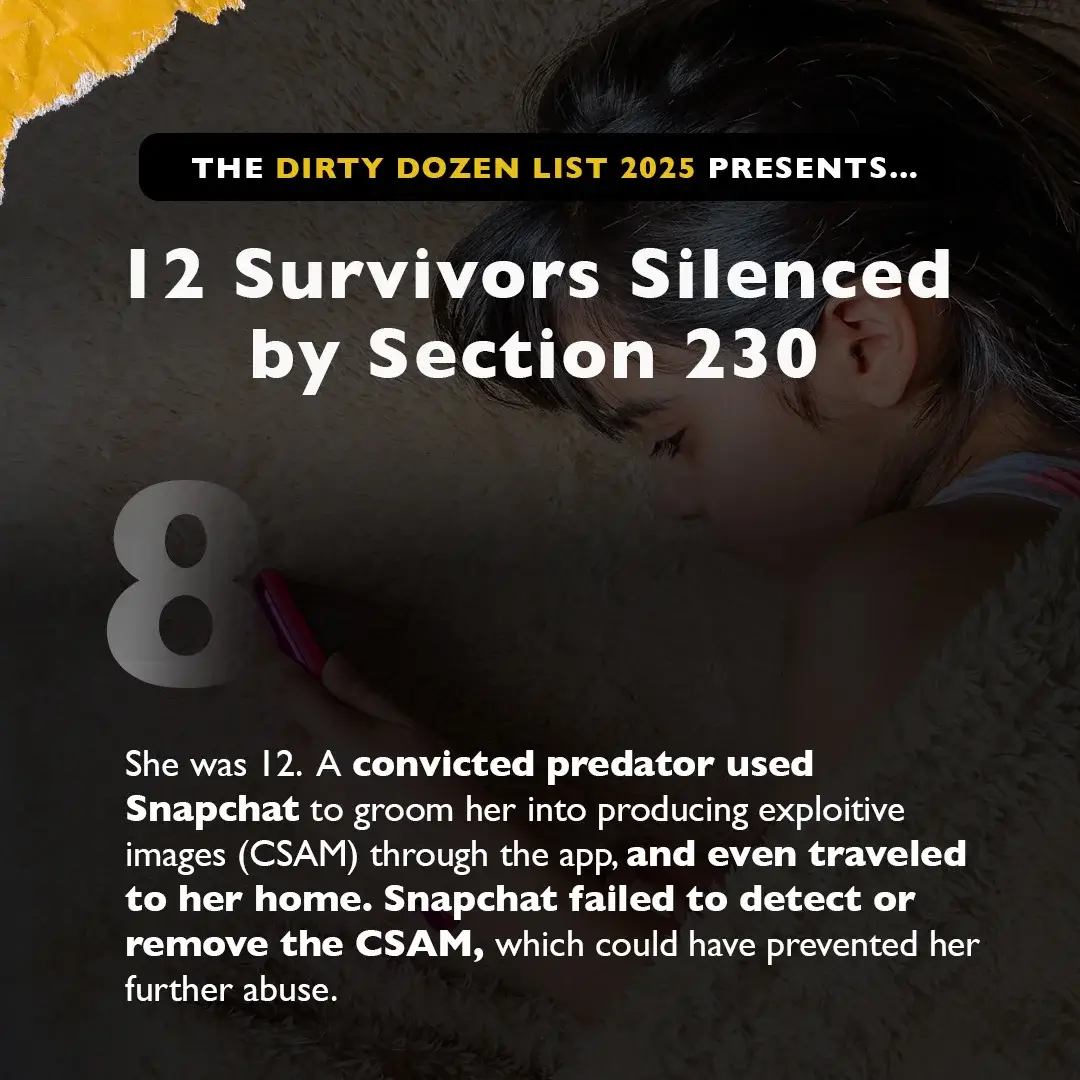
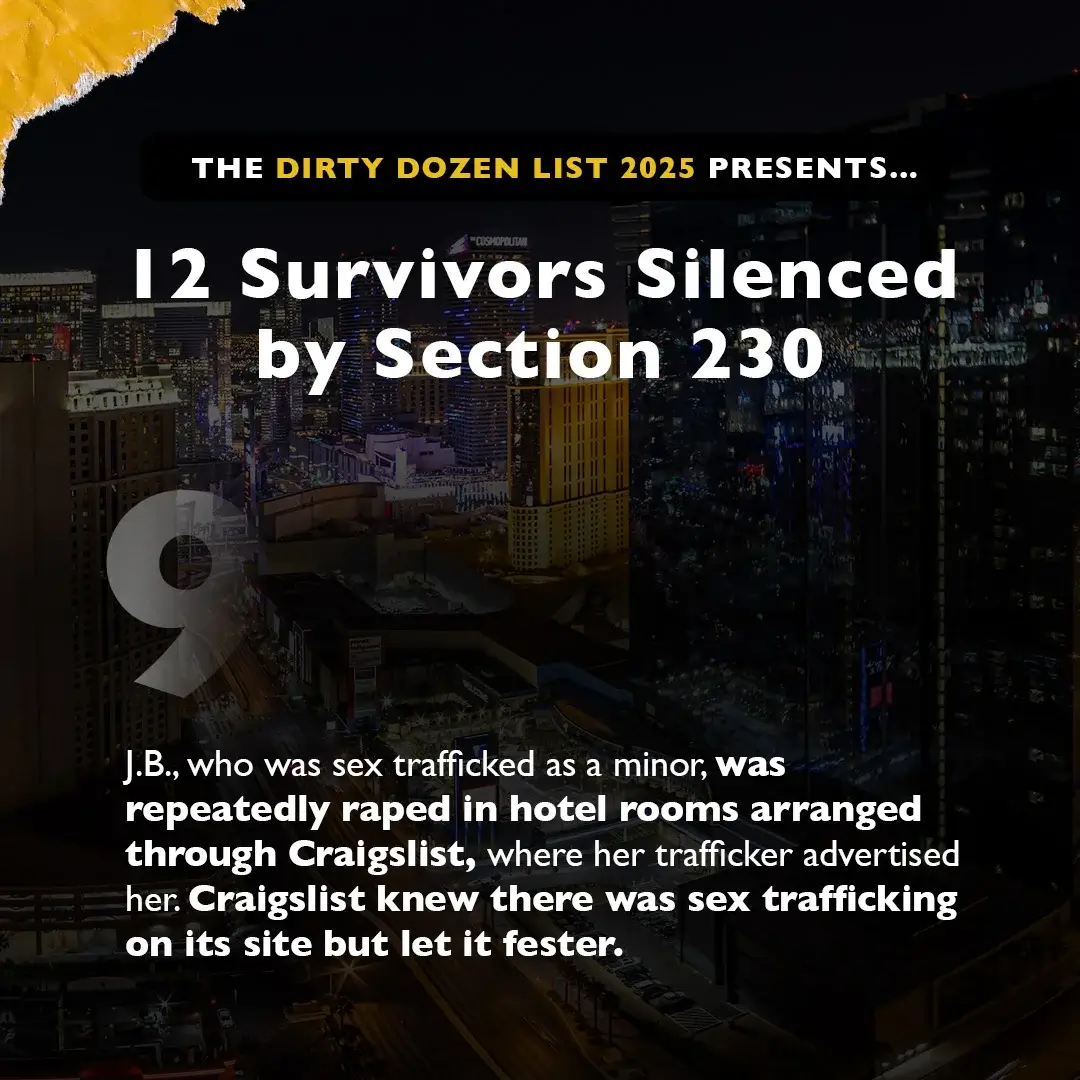
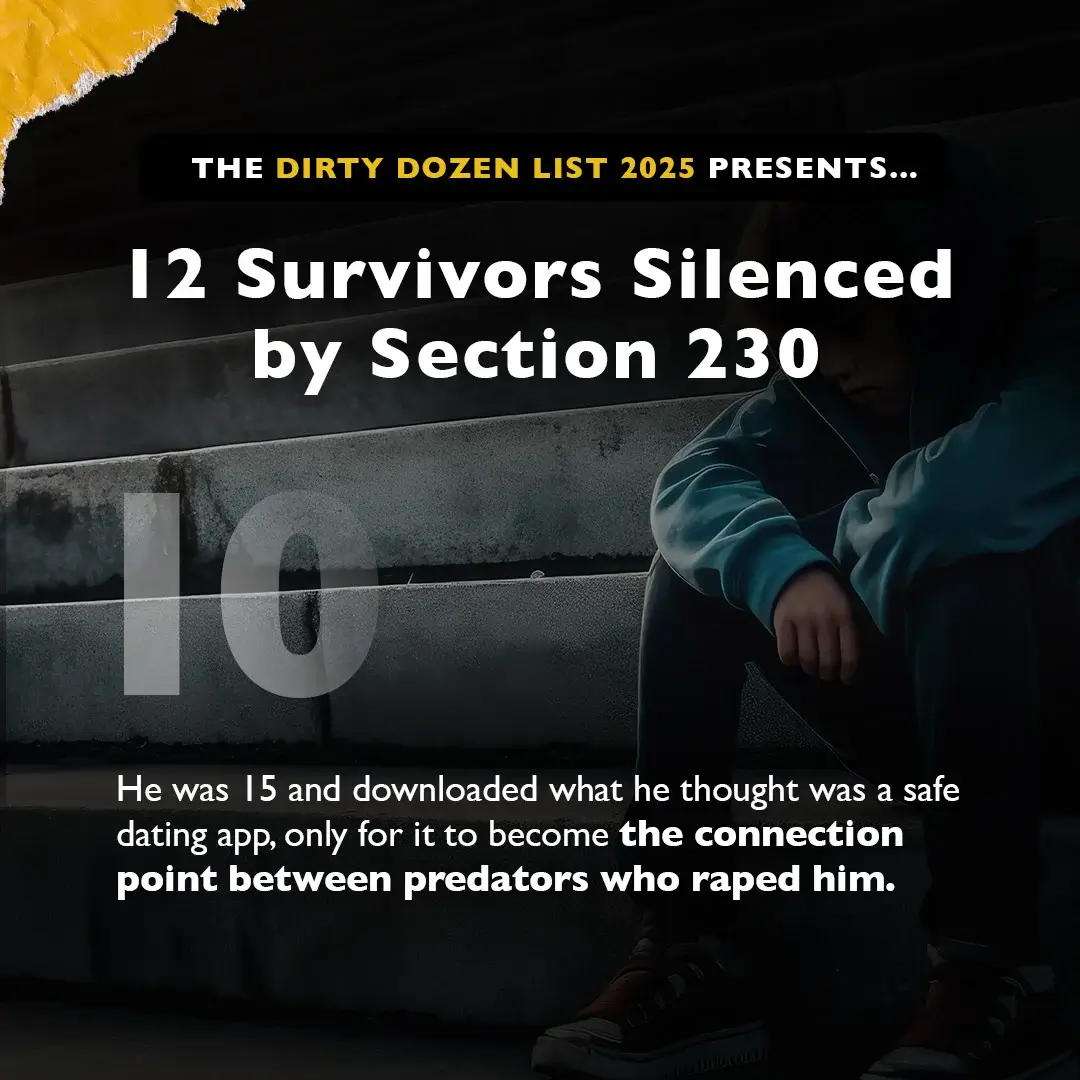
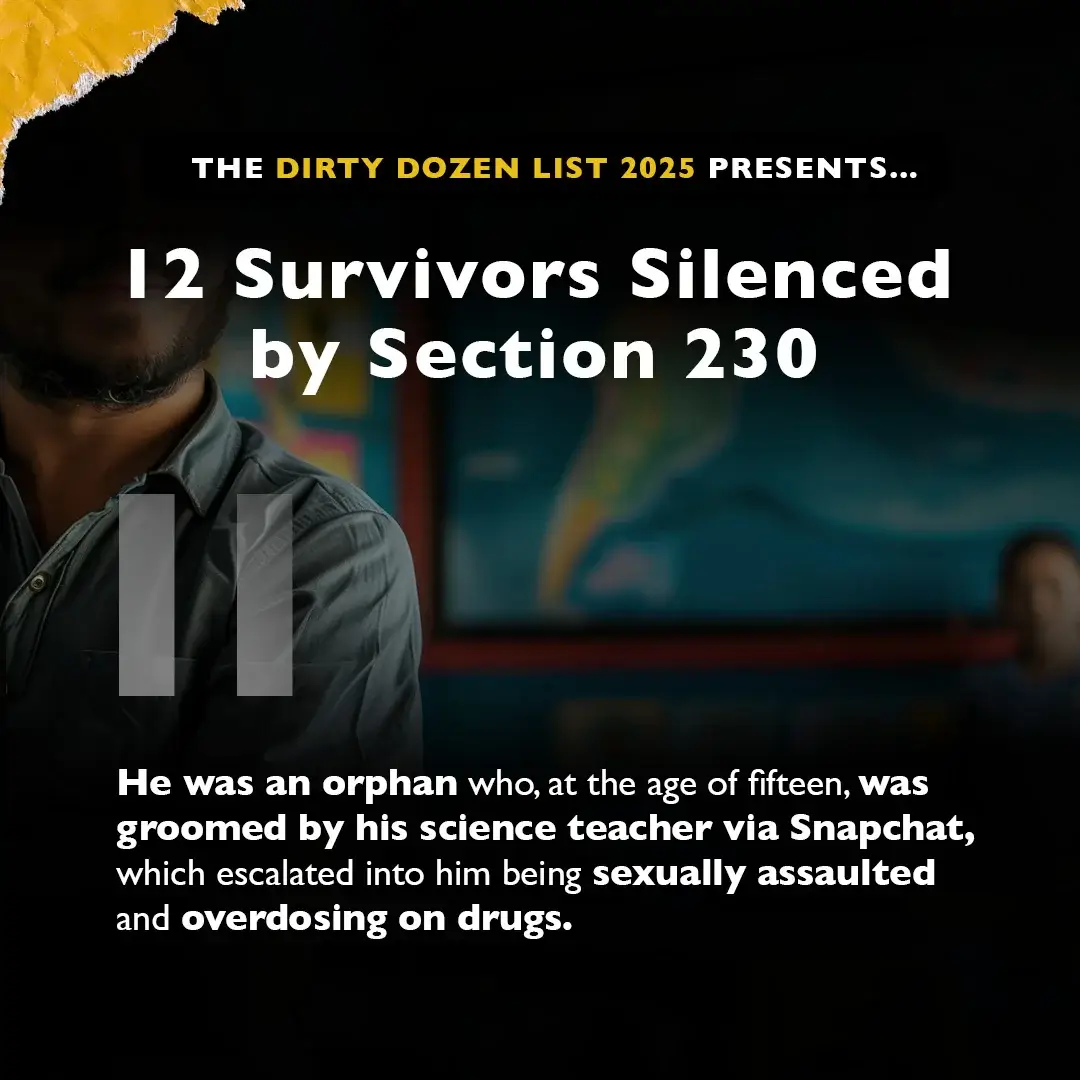
They were just ten young women doing what they loved: playing field hockey for their college team. And somehow, that was enough for them to be victimized by the pornography industry.
Three years ago, the NCOSE Law Center partnered with co-counsels Bell Legal Group, LLC, and Dolt, Thompson, Shepherd & Conway, PSC to file a lawsuit on behalf of these ten young women, entitled Does 1-9 v. Murphy et al. The lawsuit explains that, after playing a field hockey game at Limestone university, the athletes went into the locker room to shower and change. Unbeknownst to them, an employee at the university had a hidden a camera in the locker room and secretly filmed them. And later, another perpetrator uploaded these non-consensually recorded videos to Pornhub and xHamster.
Pornhub and xHamster not only accepted these kinds of nonconsensual voyeur videos—they actively encouraged them. And so, the ten college athletes sued these porn giants.
But while this case may seem like a shoo-in, here’s the infuriating truth: on September 3, 2025, the judge ruled to dismiss the case citing Section 230 immunity, clearing Pornhub and xHamster of any accountability.
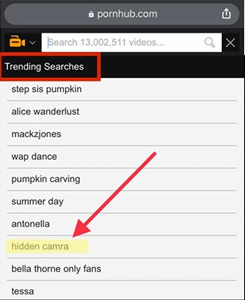
Bafflingly, the judge even said that Pornhub and xHamster promoting tags like “hidden camera,” “voyeur,” and “spycam;” encouraging people to use these tags in the “Pornhub Playbook;” and having a separate webpage specifically dedicated to voyeur videos did not amount to encouraging the uploading of voyeur videos.
In 2020 (shortly after the voyeur videos of the plaintiffs were discovered), Pornhub was promoting the search term “hidden camera” in its home page “trending searches” category
This ruling is a serious blow to the ten survivors, who will forever be haunted by the possibility that strangers will see nonconsensual naked videos of them. While this is certainly not the end of the lawsuit, and we will appeal the judge’s abhorrent decision, it’s imperative that we take this moment to pause and consider:
How could this happen? What is wrong with our country’s laws and justice system when this kind of grave abuse can go unchecked? And most importantly:how can we fix it?
Bad Actors Like Pornhub Are Shielded by Section 230 of the Communications Decency Act
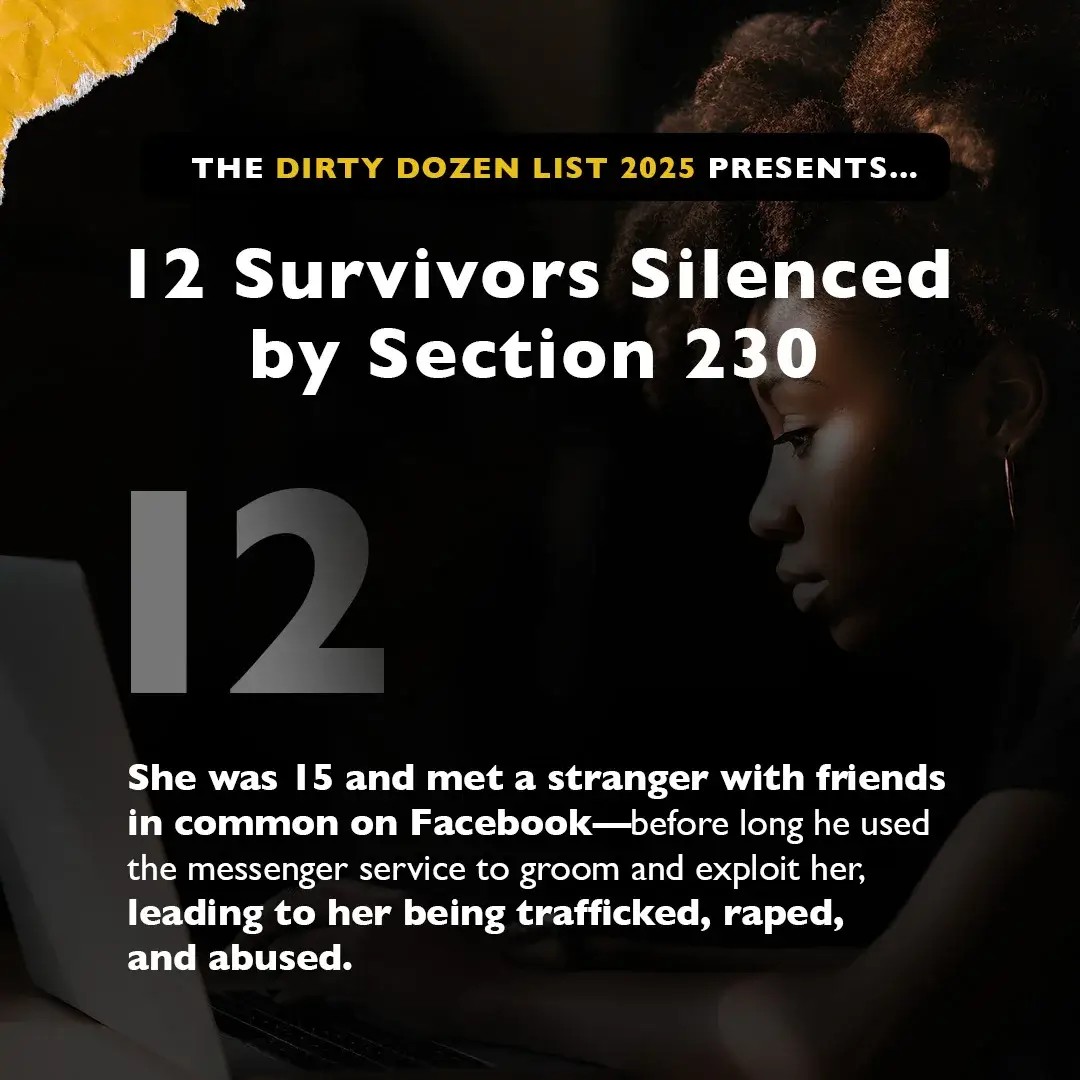
There is a law which, for decades, has allowed bad actors like Pornhub and xHamster to facilitate sexual abuse with impunity. That law is called Section 230 of the Communications Decency Act.
Section 230 was passed in 1996 to encourage innovation within the nascent industry while also promoting good-faith moderation of harmful content. But since then, this well-intended law has been grossly misinterpreted by courts, leading to the tech industry (including pornography websites) receiving blanket immunity from liability.
To put it simply: tech companies can almost never be sued for the harms their platforms cause. This has led to countless survivors being denied justice—and it is the reason the judge in Does 1-9 v. Murphy et al dismissed the case.
The NCOSE Law Center has years of experience grappling within the dystopian hellscape created by Section 230; they have developed a highly specialized expertise in designing legal arguments that can punch through the blanket immunity Section 230 provides. Against all odds, they overcame Section 230 immunity in two other lawsuits: one against Twitter and another, different lawsuit against Pornhub. Yet ultimately, we are at the mercy of twenty years of bad precedent.
In both our cases against Pornhub, we made very similar legal arguments—but one judge ruled that our arguments overcame Section 230 immunity, and another judge ruled they did not.
The courts are confused. There has been so much bad precedent set by decades of misinterpretations of Section 230, and the current situation has departed so far from Congress’s original intent in penning the law.
We urgently need Congress to step in and resolve this confusion by clarifying, reforming, or, better yet, repealing Section 230 (since it has long since its usefulness in sheltering a nascent tech industry, and is now only causing harm).
Even the judge in Does 1-9 v. Murphy et al called on Congress to take action, saying,
“[I]t seems apparent from the events and evidence in this case that the business of publishing and curating third-party content by specialized websites is far different today than at the time of the passage of Section 230. It may very well be time to revisit the proper duties and responsibilities of such companies in today’s world. However, that is a job for Congress, not this Court.”
Please join the call for Congress to repeal or radically reform Section 230!
Take 30 SECONDS to complete the quick action below, which will send an email to your congressional representatives:
Misunderstandings of Sex Trafficking Block Survivors from Justice
Another puzzle piece for why Does 1-9 v. Murphy et al was dismissed is the fact that sex trafficking is broadly misunderstood—even, unfortunately, among judges.
The legal definition of sex trafficking (§ 1591 of the TVPRA) is intentionally written to be very broad and encompass trafficking into and through pornography. Under the law, anyone who is forced, de-frauded, or coerced into engaging in commercial sex is a victim under the sex trafficking statute.
So, what happened to the ten college women in Does 1-9 v. Murphy et al–becoming “porn stars” against their will, through fraud (hidden filming) and without their consent—was actually sex trafficking. And Pornhub and XHamster facilitated it and profited from it.
This means thatSection 230 should not have stopped their case! Seven years ago, Congress passed a law called FOSTA-SESTA, which specifically clarified that Section 230 immunity was never intended to provide legal immunity to websites that facilitate sex trafficking. Yet the Judge dismissed the FOSTA-SESTA claims, saying, “The Court finds FOSTA is not applicable in this case because there is no evidence that Plaintiffs were trafficked within the meaning of § 1591 of the TVPRA.”
In other words, the judge believes that what happened to the ten women does not constitute sex trafficking.
It is deeply disconcerting that there is such a poverty of knowledge about sex trafficking among judges—the people who are supposed to have the most thorough understanding of the law, and who are responsible for applying it. This dearth of knowledge has led to survivors being denied justice in numerous other cases, including high profile ones like the case against Sean Diddy Combs.
There is an urgent need to re-educate our country’s judges and public officials about this grave human rights abuse, to ensure it is properly addressed, and no other survivors are robbed of the justice they deserve.
Please Help Us Overturn this Injustice!
The NCOSE Law Center has never been one to give up. We are appealing this decision, drawing hope from recent victories where our appeals met with success and a case initially thrown out on account of Section 230 is now allowed to proceed. We also continue to fight tooth and nail for Section 230 to be repealed, advocating on the Hill and consulting with legislators.
Currently, we live in a world where survivors are denied their day in court, and simply playing sports can be a sex trafficking sentence for women. We need you to change that.
NCOSE leads the Coalition to End Sexual Exploitation with over 300 member organizations.
100+
The National Center on Sexual Exploitation has had over 100 policy victories since 2010. Each victory promotes human dignity above exploitation.
93
NCOSE’s activism campaigns and victories have made headlines around the globe. Averaging 93 mentions per week by media outlets and shows such as Today, CNN, The New York Times, BBC News, USA Today, Fox News and more.
93
NCOSE’s activism campaigns and victories have made headlines around the globe. Averaging 93 mentions per week by media outlets and shows such as Today, CNN, The New York Times, BBC News, USA Today, Fox News and more.
100+
The National Center on Sexual Exploitation has had over 100 policy victories since 2010. Each victory promotes human dignity above exploitation.
300+
NCOSE leads the Coalition to End Sexual Exploitation with over 300 member organizations.
Stories
Survivor Lawsuit Against Twitter Moves to Ninth Circuit Court of Appeals
We use necessary cookies to make this site work and, with your consent, analytics and advertising cookies to understand usage and improve marketing. You can accept all, choose necessary only, or reopen your choices later. Privacy policy